Top videos

Fast cars on screen are one thing.
But what does Vin Diesel actually keep in his personal garage?
From classic American muscle to high-performance exotics, his real-life collection reflects the adrenaline-fueled world he helped popularize in the Fast & Furious franchise.
In this episode, we explore:
• His most iconic muscle cars
• Rare and custom builds
• Cars linked to film history
• The real value of the collection
• Which vehicles are personal favorites
This isn’t Hollywood fiction.
This is horsepower — off camera.

In 1956, something extraordinary happened.
For the first time, the world watched as Pablo Picasso allowed cameras into his creative process.
This rare documentary captures Picasso not as legend, but as working artist — painting, experimenting, and transforming blank surfaces into living forms before our eyes.
But what does the film truly reveal?
Was it a genuine portrait of artistic genius — or a carefully staged performance for the lens?
In this episode of DarkHarbour Knowledge, we examine:
• The context of the 1956 documentary
• How the camera changes the act of painting
• Picasso’s control over his public image
• What the film shows — and what it hides
Art, myth, and cinema collide in one of the most fascinating visual records of a modern master.

Before she became a painter, she was the subject of some of the greatest artists of her time.
In this episode of DarkHarbour Knowledge, we explore the extraordinary life of Suzanne Valadon — a woman who rose from poverty in Montmartre to become one of the most daring and independent painters in modern French art.
She posed for legends like:
• Pierre-Auguste Renoir
• Henri de Toulouse-Lautrec
• Edgar Degas
But she refused to remain a muse.
Teaching herself to draw, mentored by Degas, Valadon developed a bold, unapologetic style that challenged the male gaze and redefined the female nude — not as an object, but as presence.
We examine:
• Her dramatic youth in Montmartre
• Her unconventional relationships
• Her son, Maurice Utrillo
• Her fearless approach to the female body
• Why art history nearly erased her
Suzanne Valadon did not ask for permission. She painted her own life.
And that changed everything.

Is capitalism the engine of prosperity?
Or does socialism create a fairer society?
In this DarkHarbour Knowledge episode, we
break down one of the most debated economic questions in modern history: Capitalism
vs. Socialism — which works better?
We examine:
• How each system distributes wealth
• The role of government in economic control
• Innovation and private enterprise
• Social welfare and public ownership
• Real-world examples from different countries
• The strengths and weaknesses of both systems
Rather than emotional rhetoric, this
episode focuses on facts, history, and practical outcomes.
Whether you are a student, entrepreneur,
policymaker, or simply curious about how economies function, this discussion
will sharpen your understanding of the world around you.
Join the conversation in the comments:
Which system do you think works better. And why?
🔔
Subscribe to DarkHarbour Knowledge for deep, balanced explorations of
economics, politics, science, culture, and global affairs.

Planning to visit Nigeria this December?
Before you book that flight or pack your bags, there are important things you need to know.
December in Nigeria is vibrant, exciting, and unforgettable — but it can also be crowded, expensive, and intense if you’re unprepared.
In this video, we cover:
• Flight and hotel price realities
• Traffic expectations in Lagos and Abuja
• Safety considerations
• Currency and payment tips
• Best events and cities to visit
• What locals won’t tell you
December in Nigeria is electric.
But preparation is everything.
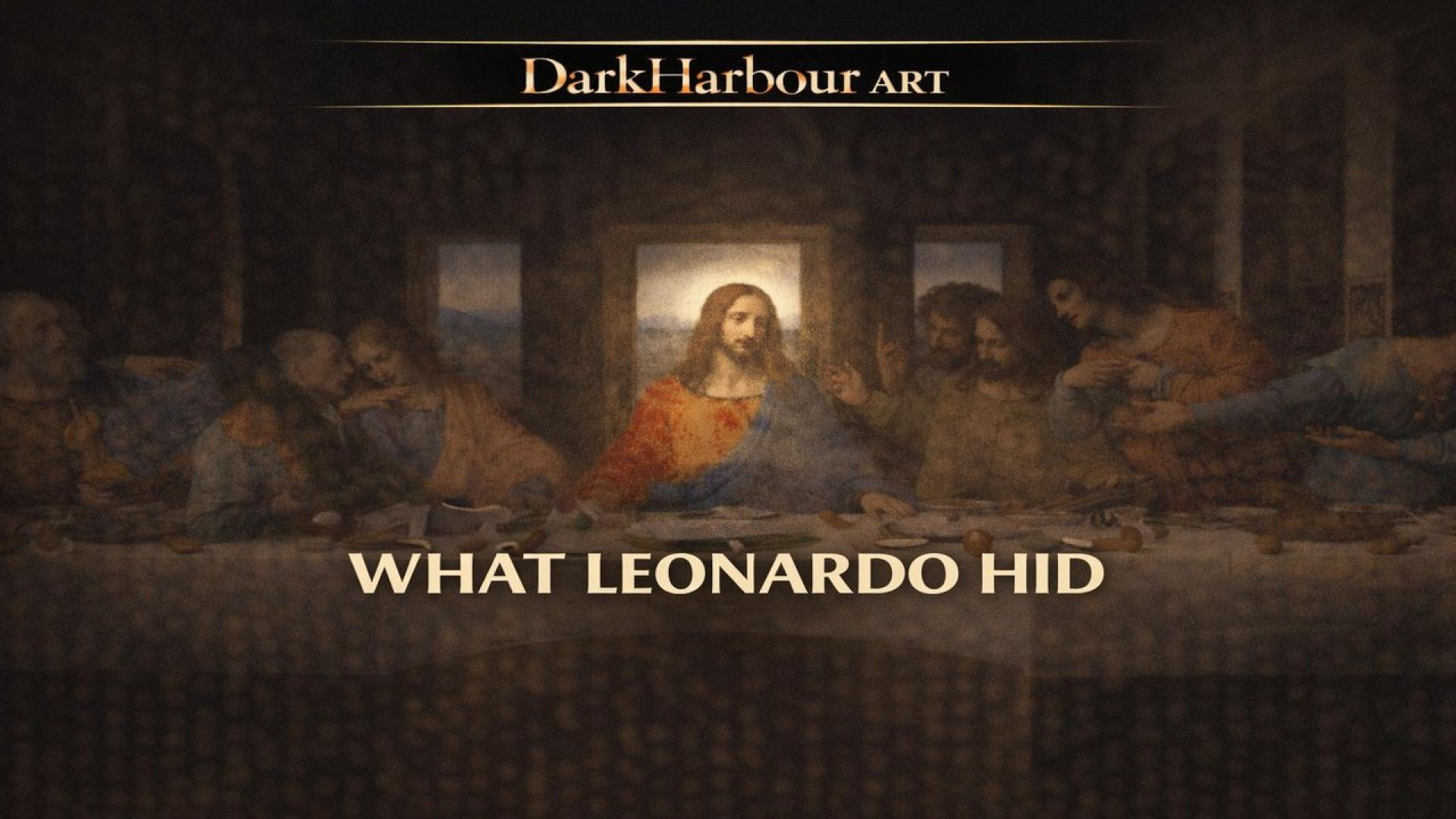
Painted at the height of the Renaissance, The Last Supper remains one of the most studied and debated works in art history.
In this DarkHarbour ART documentary, we explore how Leonardo da Vinci transformed a biblical scene into a psychological drama.
We examine:
• The revolutionary composition
• The moment of betrayal
• The use of perspective
• Symbolism and hidden interpretations
• Why the painting began deteriorating almost immediately
• Its long history of restoration
More than a religious image, The Last Supper is a masterclass in storytelling through space and gesture.
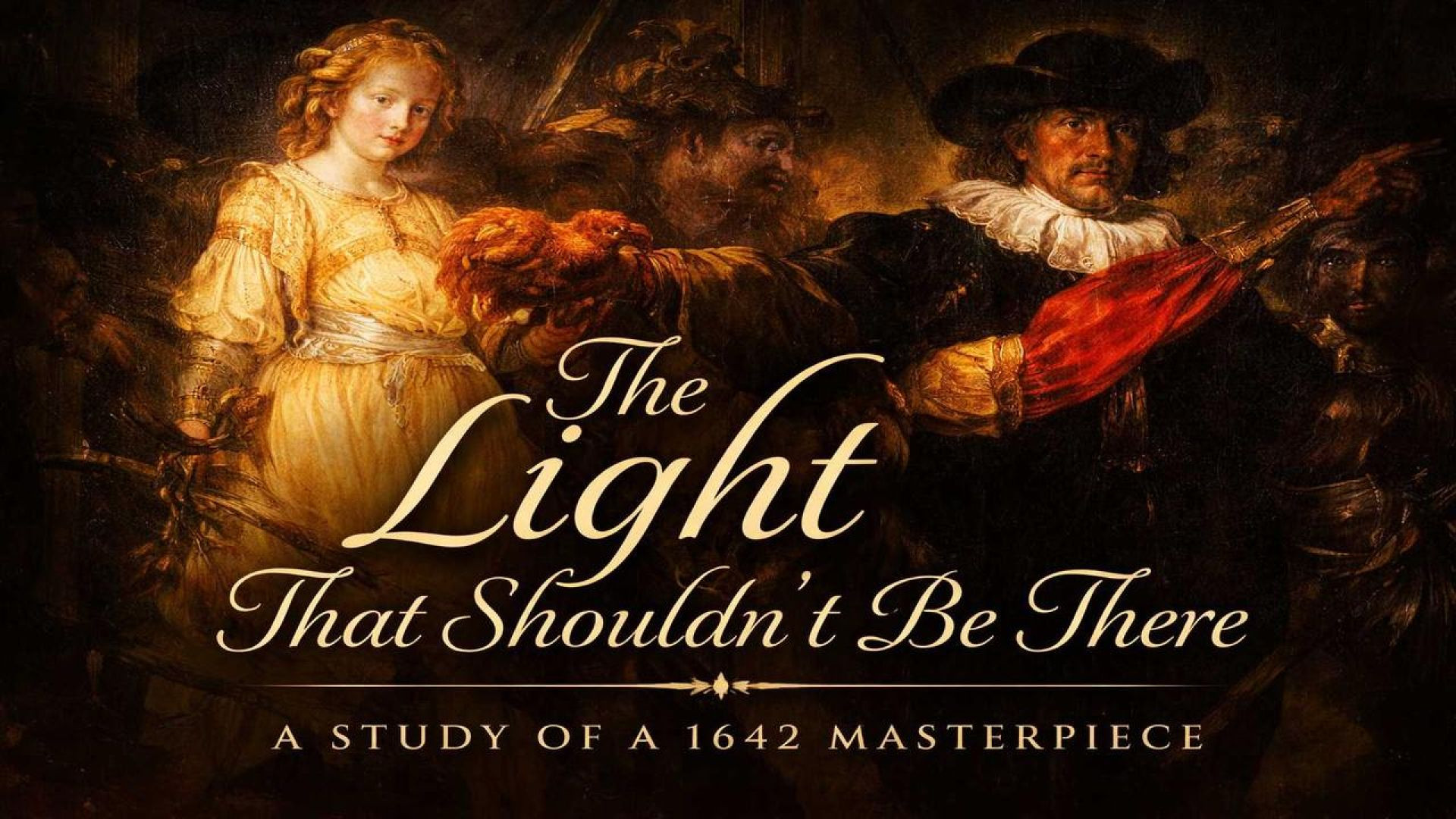
In 1642, a painter created a group portrait that quietly rewrote the rules of composition, movement, and light.
At first glance, it appears to be a civic gathering — men in uniform, poised and dignified. But look longer. Something shifts. The light falls strangely. A young figure glows without explanation. Movement replaces stillness. Order gives way to drama.
This episode explores the tension, symbolism, and technical audacity hidden inside one of the most studied canvases in European art.
What was intentional?
What was altered?
And what are we still misunderstanding centuries later?
Sometimes, the most famous works hide their boldest decisions in plain sight.
New
new

Identity is not always
fixed.
In this episode of
DarkHarbour Knowledge, we explore the layered persona of Chris O'Doherty — an
artist who adopted the name Jimi Hendrix and blurred the boundaries between
painting, performance, and cultural reference.
Is it homage?
Irony?
Provocation?
Or reinvention?
Through portraiture
and persona, O’Doherty challenges our assumptions about authenticity,
authorship, and fame.
When does identity
become art?
And when does art become identity?
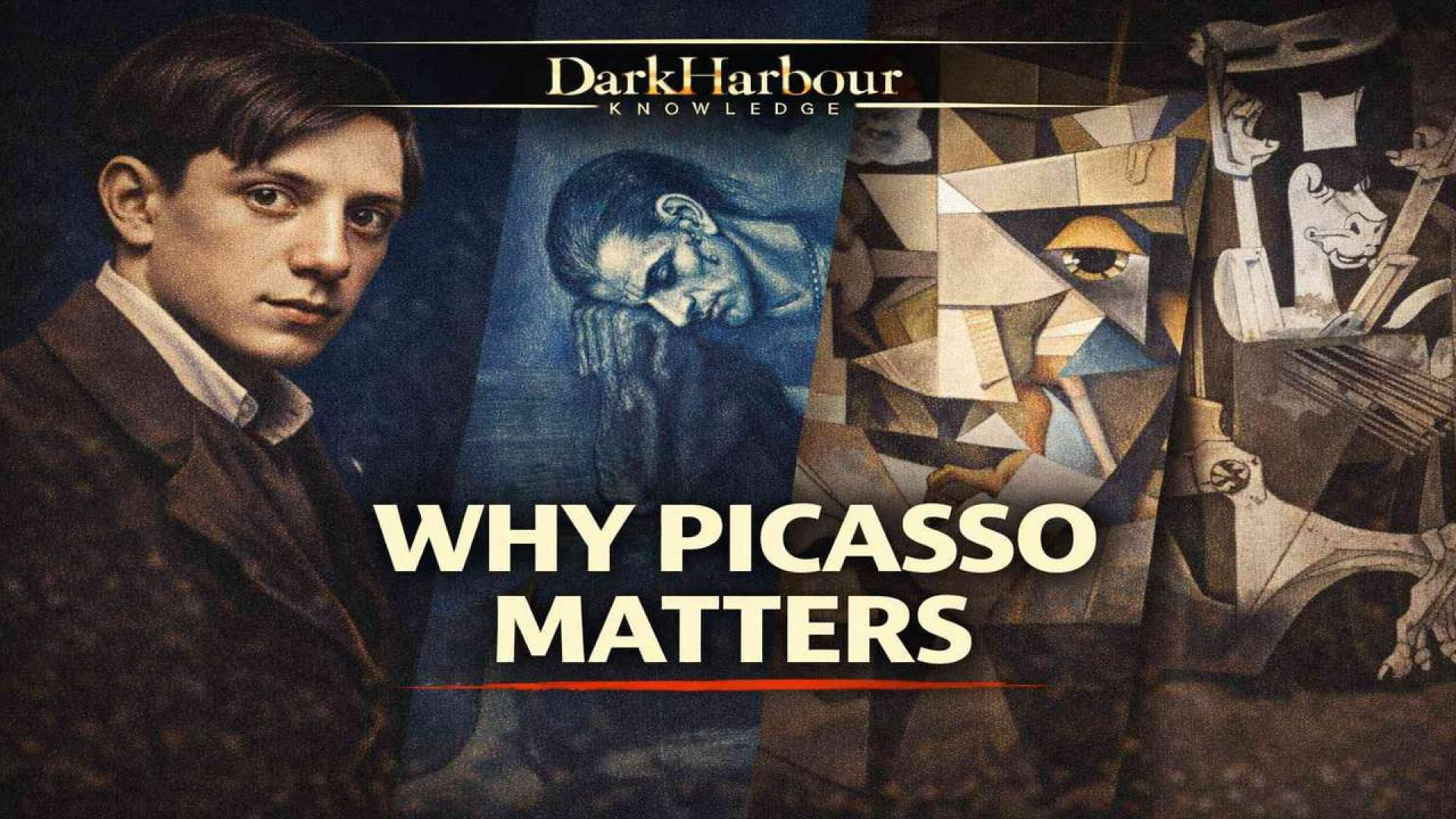
Few artists reshaped visual language as radically as Pablo Picasso.
From early academic training in Spain to the revolutionary birth of Cubism in Paris, Picasso’s journey was one of constant reinvention.
In this DarkHarbour Knowledge feature, we explore:
• His early years and prodigious talent
• The Blue and Rose periods
• The birth of Cubism
• The creation of Guernica
• His relentless evolution across decades
This is more than a biography.
It is a story of risk, experimentation, and fearless transformation.
Great art is rarely safe.
new
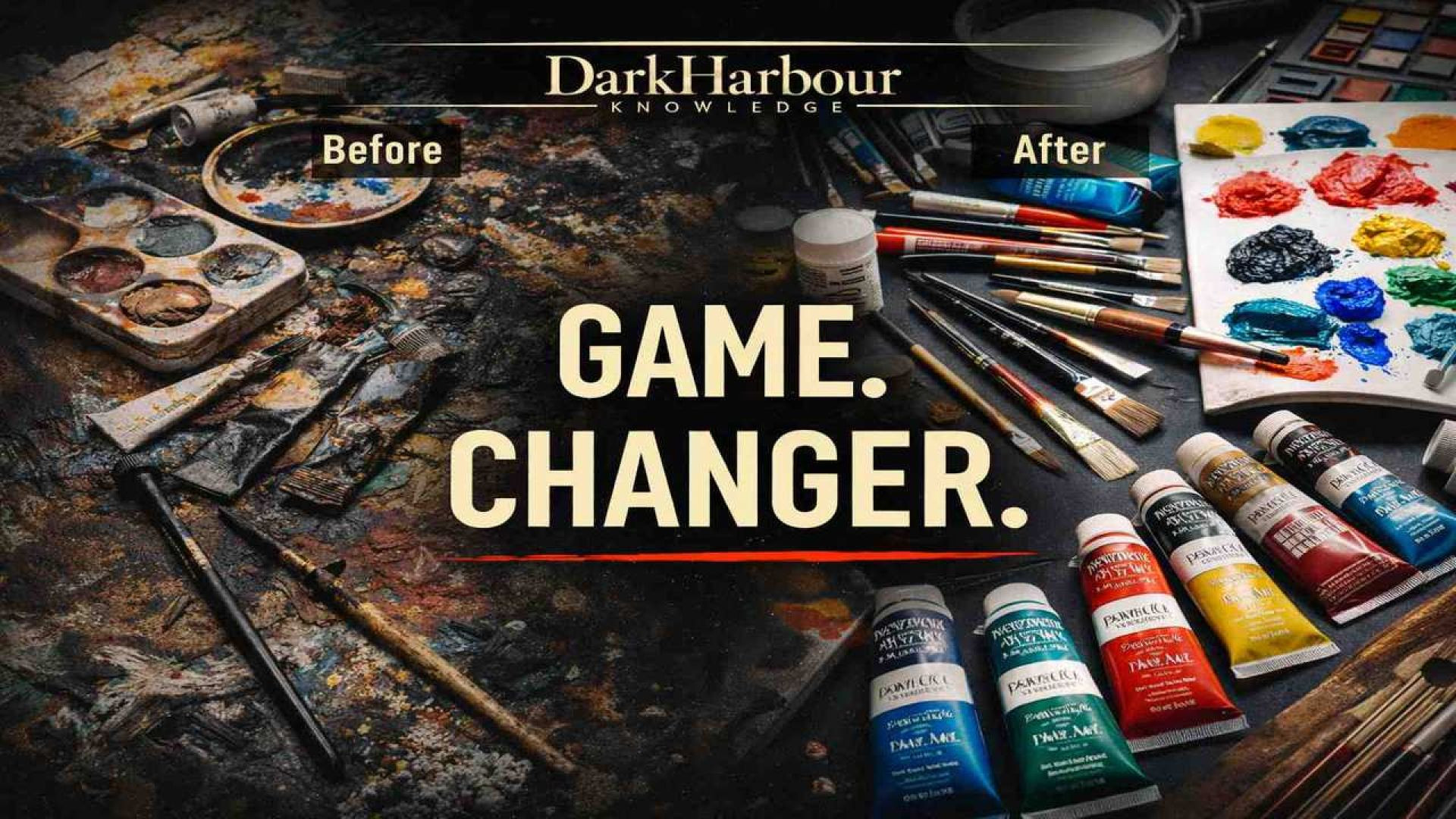
There are tools you discover late… and then wonder how you ever worked without them.
In this episode, I share the art supplies that genuinely improved my workflow, control, and finished results — tools I wish I had started using much earlier.
From brushes and paper to mediums and unexpected studio essentials, these items made a real difference.
Whether you’re a beginner or already deep into your practice, the right tools can elevate your work faster than you think.
Sometimes it’s not talent.
It’s materials.
Let’s talk about what changed everything.

From light-sensitive plates to digital sensors, photography has transformed how humanity sees itself.
In this DarkHarbour feature, we trace the journey from the earliest experiments in capturing light to the smartphone era.
We explore:
• The invention of the daguerreotype
• Early portrait studios
• The rise of documentary photography
• War and photojournalism
• The birth of color photography
• The digital revolution
Photography did more than record history.
It shaped it.

Every generation produces a new voice.
In this DarkHarbour Knowledge feature, we explore the artistic journey of Presley Kevogo — a young, talented artist whose work carries emotional intensity and bold visual storytelling.
“Hero’s Song” is not simply a title.
It is a reflection of resilience, ambition, and creative courage.
In this episode, we examine:
• His early influences
• Themes that define his work
• Technique and materials
• The challenges of emerging as a young artist
• Why his voice matters now
Art is often born from struggle.
But sometimes, it sings.

In 1998, the United Kingdom passed one of its most significant constitutional reforms of the modern era: the Human Rights Act 1998.
But its roots stretch back to the aftermath of World War II, when Europe sought to prevent the abuses of the past.
In this episode of DarkHarbour Knowledge, we explore:
• Why the European Convention on Human Rights was created
• How the Act brought those rights into UK courts
• Landmark legal cases
• Political controversies
• Calls for reform or repeal
• What the future might hold
Is it a safeguard of liberty?
Or a limit on parliamentary sovereignty?
Few laws have shaped modern Britain more profoundly.

In the coastal town of Antibes, overlooking the Mediterranean, stands a museum unlike any other.
Housed inside the historic Château Grimaldi, the Musée Picasso Antibes preserves the legacy of a brief but transformative period in the life of Pablo Picasso.
In 1946, Picasso lived and worked here — filling its rooms with light, mythological imagery, and Mediterranean energy.
In this DarkHarbour Art Tour, we explore:
• The history of the château
• Picasso’s Antibes period
• Key works created on-site
• The atmosphere of the museum today
• Why this location matters in his artistic evolution
This is not just a museum visit.
It’s a journey into a moment in modern art history.
